
Tag: Bhagavad Gītā
-
Bhagavad Gītā: Chapter 2, Verses 45–47
Prince Arjuna has yet to attain Self-Knowledge despite Śrī Kṛṣṇa’s teachings on karma yoga. Kṛṣṇa emphasizes the need for a purified mind, free from dualities and desires. He guides Arjuna to focus on action without attachment to results, ultimately leading to Self-realization and a blissful existence beyond material concerns.
-

Bhagavad Gītā: Chapter 2, Verses 39–44
Śrī Kṛṣṇa provides Arjuna with insights into duty, karma yoga, and the purifying effect of action without ego. He emphasizes that knowledge becomes experiential through the practice of karma yoga, which maintains focus and mental purity, vital for overcoming worldly distractions and achieving self-realization.
-

Bhagavad Gītā: Chapter 2, Verses 29–38
Śrī Kṛṣṇa teaches Arjuna about the eternal nature of the Self, emphasizing that grieving is unnecessary as the Self is indestructible. He highlights the importance of duty and righteousness, urging Arjuna to engage in battle without attachment to outcomes. Fulfilling one’s duty leads to personal growth and societal harmony.
-
Bhagavad Gītā: Chapter 2, Verses 22–28
Śrī Kṛṣṇa teaches that the true Self is eternal, unchanging, and beyond physical modifications of the body and mind. Identifying with the transient BMI leads to suffering, while recognizing the immutable Self brings peace. Change is inevitable in life; thus, one should not grieve over birth and death, as they’re natural phenomena.
-
Bhagavad Gītā: Chapter 2, Verses 14–21
Arjuna realizes that wealth and war cannot alleviate his sorrow and seeks liberation from delusion. Śrī Kṛṣṇa teaches him that the Self is eternal and unchanging, emphasizing the distinction between the impermanent body and the indestructible Self. True knowledge leads to inner peace, enabling one to transcend pleasure and pain.
-
Bhagavad Gītā: Chapter 2, Verses 7–13
Arjuna felt noble for refusing to fight, believing Śrī Kṛṣṇa would support his reasoning. However, Kṛṣṇa reprimanded him, highlighting his confusion about duty. Arjuna, consumed by grief, sought guidance from Kṛṣṇa, who emphasized the eternal nature of the soul and the importance of understanding one’s true self beyond physical existence.
-

Bhagavad Gītā: Chapter 2, Verses 1–6
In the first chapter of the Bhagavad Gītā, Arjuna is engulfed in sorrow and confusion upon seeing his relatives on the battlefield. This emotional turmoil, driven by personal attachment, paralyzes his duty as a warrior. In the second chapter, Śrī Kṛṣṇa addresses Arjuna’s delusion, emphasizing the need for knowledge to overcome ignorance and reclaim his…
-

Bhagavad Gītā: Chapter 1, Verses 38–47
Arjuna, a brave warrior, faces a mental breakdown before battle, questioning the morality of killing relatives for kingship. He argues that family traditions dictate societal morality, leading to chaos if destroyed. Ultimately, he prefers death over participating in sin, highlighting the internal conflict of duty versus ethical integrity.
-
Bhagavad Gītā: Chapter 1, Verses 24–37
In the narrative, Sañjaya portrays contrasting mental states of Arjuna and Duryodhana before battle. Arjuna, initially courageous, becomes overwhelmed with compassion upon seeing his relatives in the opposing army. His heart is filled with sorrow and confusion, leading him to question the value of victory and life itself, arguing against killing his kin.
-

Bhagavad Gītā: Chapter 1, Verses 12–23
The narrative explores Duryodhana’s internal conflict and his attempt to seek reassurance from Droṇa, which is met with silence. Bhīṣma, noticing Duryodhana’s despair, blows his conch to motivate his troops, marking the beginning of the war. The subsequent verses detail the Pāṇḍavas’ strong resolve as they prepare for battle.
-
Bhagavad Gītā: Chapter 1, Verses 1–11
The Bhagavad Gītā opens with King Dhṛtarāṣṭra, blind both physically and emotionally, asking Sañjaya to report on the Kurukṣetra battlefield. Sañjaya, granted divine vision, describes the anxious Duryodhana as he surveys the Pāṇḍava army and expresses his fears about their strength. The narrative reveals themes of attachment, power, and impending conflict.
-
Gītā Dhyānam
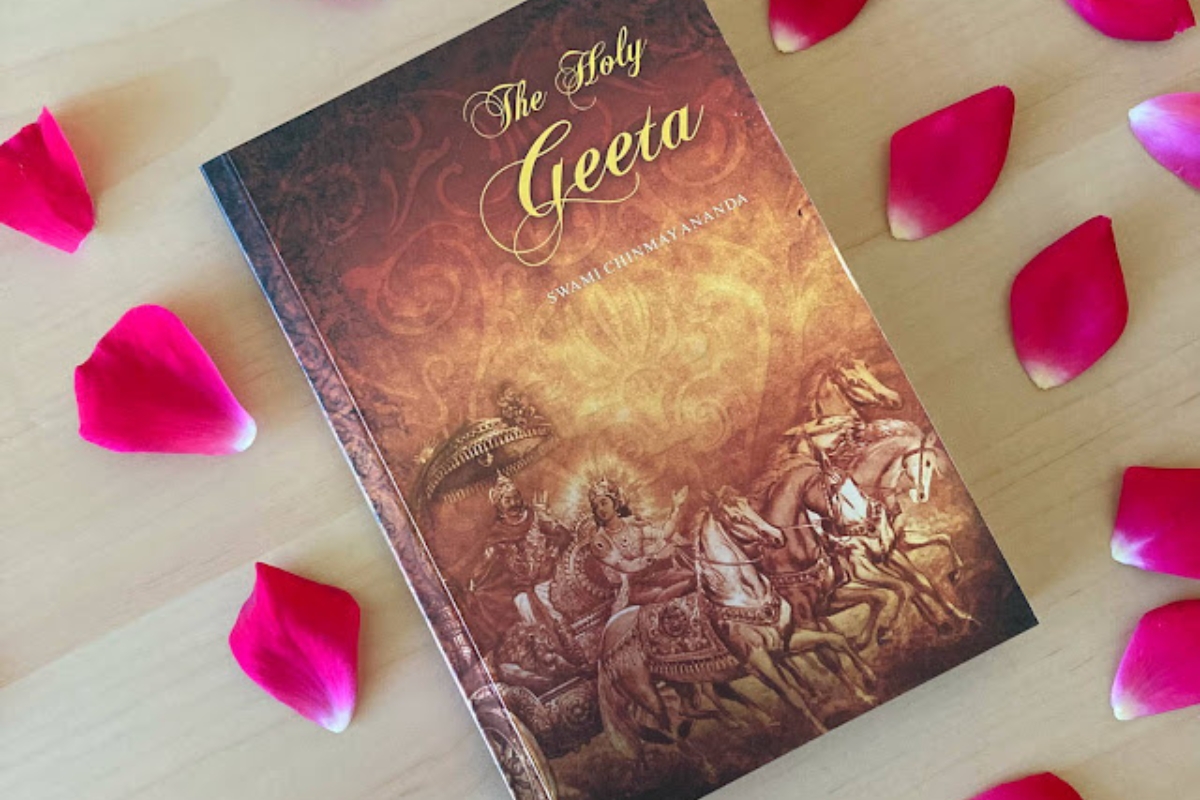
Gītā Dhyānam, authored by Madhusūdana Sarasvatī, serves as a preparatory ritual for studying the Bhagavad Gītā. The nine dhyāna ślokas invoke devotion, aligning the mind and heart with higher wisdom. Ultimately, this practice enhances focus and aids in acquiring profound insights from the sacred texts, highlighting the connection between prayer and knowledge.
-

Why Study Bhagavad Gītā?
The Bhagavad Gītā teaches us to overcome sorrow, understand duty, and achieve liberation through knowledge. It is applicable to people of all temperaments and at all times.