
This is reflection 25 in a series inspired by Self-Unfoldment by Swami Chinmayananda. New here? Start with the first reflection.
Have you ever noticed that the body seems to know our mood before we do? On a heavy day, the shoulders round, the head drops, and the breath becomes shallow. On a bright day, we stand a little taller without even trying. If the mind shapes the body, can the body also shape the mind? What is the relationship between the inner and the outer?
How we sit and stand often says something about what is going on inside us. When we slouch, the body functions less efficiently. The breath becomes shallow, and the mind seems to follow. One heavy thought leads to another, and before long, our mood and even our health can begin to suffer.
The reverse seems to be true as well. When we straighten our backs, draw our shoulders back, and breathe deeply, we tend to feel more alert, and the mind clears a little. Even smiling on a day we don’t feel like smiling can help soften the mood. These are small adjustments, yet paying attention to how we hold ourselves may be one of the simplest ways to support our physical and mental well-being.
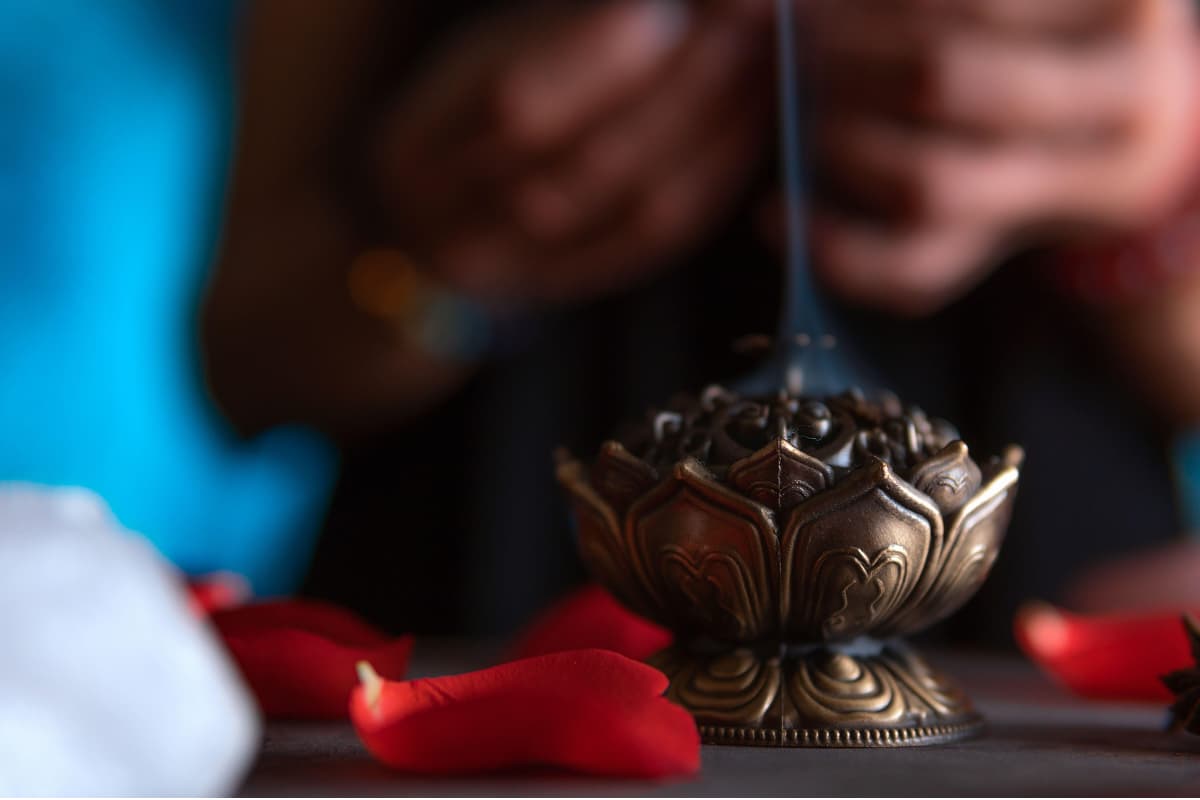
Perhaps this is also why rituals mean so much to us. A ritual, whether spiritual or secular, is a practice that helps cultivate a particular state of mind. Lighting incense, chanting a mantra, sitting in a sacred space, or even bathing before prayer: each prepares us in its own way. The fragrance and stillness remind us to gather our scattered thoughts and turn inward.
A ritual cannot do the inner work for us, but it sets the stage so that reflection and calm come a little more easily. When we return to our rituals regularly, they give us a sense of steadiness to lean on when life feels unsettled.
Body and mind seem to move together. Our physical habits shape our mental attitudes, and our attitudes in turn shape how we care for the body. It is a cycle, and we have some say in which direction it turns.
For most of us, it feels easier to begin with the body. Once we establish healthy physical habits, training the mind becomes easier, because a body that is cared for is less likely to distract us with its discomforts. When the body settles into healthy routines, the mind can follow. Of course, habits can slip without our noticing, so we need to remain vigilant, paying attention to how we care for our bodies and what we feed our minds.
If posture is how we hold the body, introspection is how we hold the mind. Throughout the day, we can pause and observe our thoughts. When we catch a negative one, we can choose not to dwell on it and replace it with a positive one instead: detect, negate, substitute. It sounds simple, and it is, though it takes consistent effort. Over time, this kind of self-application builds inner strength, helping us remain hopeful and true to our ideals, even when life is hard.
Let’s take this as a gentle reminder today to stand a little straighter and take a deeper breath. We might light a lamp or a stick of incense to help settle the mind. Let’s try to observe our thoughts and gently guide them toward the positive.
Practiced consistently and with patience, these small habits can help bring body and mind into balance.
Prefer to listen?
Press play, take a breath, and give yourself these few minutes.

Leave a reply